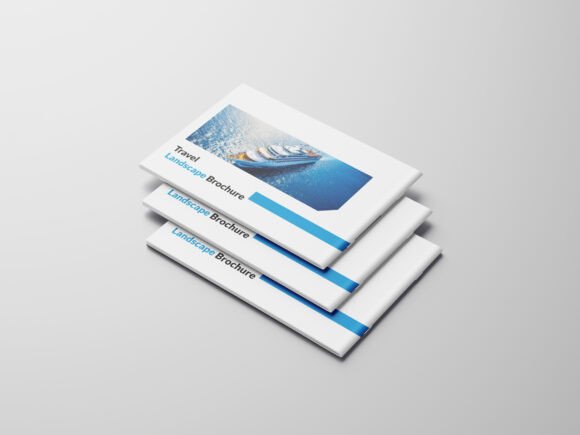
Travel Landscape Brochure Design: A Visual Journey for Brands
Imagine holding a brochure that doesn't just list destinations but instantly transports you there—this is the power of a masterfully executed Travel Landscape Brochure Design. For graphic designers and marketers, such a template is more than a layout; it's a strategic tool for visual storytelling. Crafted in Adobe Illustrator with professional specifications like CMYK color mode, 300 DPI optimization, and A4 sizing with bleed, it provides a robust foundation for creating print-ready materials that captivate and inform. The inclusion of editable layers and popular free fonts streamlines the design workflow, allowing for rapid customization to align with any brand identity.
The Role of Visual Design in Modern Branding
A well-structured brochure is a cornerstone of visual communication. It establishes a visual hierarchy that guides the viewer's eye, reinforces brand consistency, and communicates a message with clarity and emotion. In the context of travel and tourism, this design must evoke a sense of place, adventure, and reliability. The landscape orientation is particularly effective, mimicking the panoramic views one seeks in travel, thereby enhancing the user experience before the journey even begins. This approach to editorial design merges aesthetics with function, a key principle in creating effective marketing materials.
Practical Applications Beyond the Tri-Fold
The versatility of a high-quality template extends far beyond its initial purpose. Its organized structure and editable elements make it a valuable creative asset for numerous projects. Consider how its design principles can be adapted:
- Brand Identity Systems: Use the template's color palette and typography as a springboard for developing a cohesive brand identity across all touchpoints.
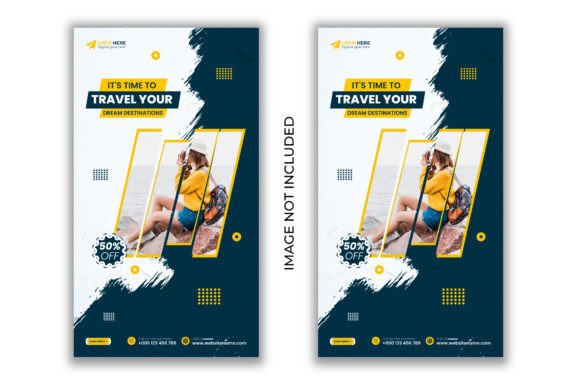
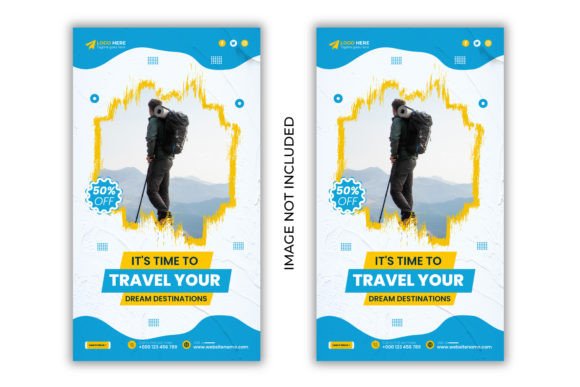
- Digital Marketing: Repurpose layouts and imagery for social media graphics, email headers, or web banners, ensuring visual consistency across platforms.
- Presentation Design: Transform the brochure's pages into compelling slides for corporate presentations or sales pitches, maintaining a professional and polished aesthetic.
- Packaging & Merchandise: Extract design motifs and patterns for use on packaging design, brochures, or branded merchandise, creating a unified product experience.
Crafting Impact with Core Design Elements
To maximize the impact of any design template, a thoughtful approach to its core elements is essential. Typography is not merely about font selection; it's about creating a readable hierarchy that balances headers, subheads, and body copy. The chosen fonts should reflect the brand's personality—whether elegant, modern, or adventurous. Similarly, a carefully curated color palette can evoke specific emotions and ensure accessibility. When selecting imagery, prioritize high-quality, authentic photos that align with the narrative. The composition should always serve the content, using grids and white space to create a clean, modern aesthetic that feels both inviting and professional.
Ultimately, investing in a meticulously designed template like this is an investment in your brand's visual language. It empowers designers and business owners to produce high-caliber creative projects efficiently, from advertising campaigns to digital products. By starting with a strong, adaptable foundation, you ensure that every piece of visual communication is not only beautiful but also strategically aligned with your goals, fostering a stronger connection with your audience and elevating your overall design quality.